
Ask anyone who manages a fleet, runs a construction site, or oversees a mining operation what happens when fuel doesn’t arrive, and the answer is always the same. Everything stops.
Equipment sits idle. Contracts get delayed. Workers wait. And every hour of downtime costs money that no one had budgeted for, because the assumption was always that fuel would simply be there.
That assumption is exactly where things go wrong. Fuel supply isn’t automatic. It’s the result of a well-managed relationship with the right diesel suppliers, people who understand your industry, your volumes, your timelines, and what it actually takes to keep your operation running without interruption.
This article covers the real, practical benefits of working with professional diesel fuel suppliers, not just the obvious ones, but the advantages that only become clear once you’ve experienced the difference between a supplier who shows up and one who genuinely partners with you.
Consistent Supply You Can Actually Plan Around
The single most undervalued thing a professional diesel supplier provides isn’t price, it’s predictability.
When you know fuel is coming on Wednesday, you schedule around Wednesday. When you’re not sure if the tanker will arrive this week or next, everything downstream of that uncertainty becomes guesswork. Maintenance schedules, staffing, project timelines, subcontractor commitments- they all depend, quietly, on fuel being where it needs to be.
What Supply Reliability Actually Looks Like
Professional diesel fuel suppliers build redundancy into their supply chains. That means sourcing from multiple import channels so that if one route faces a delay, whether from shipping schedules, customs, or pricing disruptions, another one fills the gap. Their stock doesn’t depend on a single wholesale purchase arriving on time.
Apex Fuels One operates exactly this way, sourcing Diesel 50PPM through verified global supply partnerships, backed by compliant storage infrastructure in Botswana, so that client deliveries don’t get caught up in upstream supply issues.
That’s not just a logistics capability. For a mining operation or a transport fleet, it’s operational insurance.
Better Pricing Through Wholesale Access and Long-Term Contracts
Here’s something that surprises a lot of first-time bulk buyers: the pump price you see at a filling station is not the price available to industrial and commercial customers who buy at scale.
Professional diesel suppliers operate at the wholesale level. They import directly, hold large inventory positions, and pass a meaningful portion of that cost advantage on to clients, particularly those who commit to volume or sign longer-term agreements.
Spot Purchasing vs. Supply Contracts
Buying diesel on the spot whenever you need it might feel flexible, but it exposes you to two risks: price volatility and availability gaps. Neither is comfortable when you’re running operations that can’t pause.
Fuel supply contracts with a professional distributor flip this dynamic. A price-locked agreement means your fuel costs become a known quantity, something you can budget for with confidence rather than estimate with anxiety. In Botswana, where BERA sets retail pump prices, wholesale distributors registered with the regulatory authority regularly supply below that benchmark, with additional loyalty discounts for high-volume accounts.
The financial case isn’t complicated: if you’re buying tens of thousands of litres a month, even a small per-litre saving adds up to a very significant number by year’s end.
Fuel Quality That Protects Your Equipment
Diesel quality isn’t something most operations managers think about daily until an engine fails earlier than expected, or a generator starts running rough, or a fleet vehicle starts burning more fuel than usual.
Substandard diesel causes real damage. Water contamination, incorrect sulphur levels, and poor combustion properties don’t just reduce performance. They accelerate wear and, in worst cases, void manufacturer warranties.
Why 50PPM Diesel Matters
Diesel 50PPM (50 parts per million sulphur) is the modern standard for industrial and commercial equipment. It’s cleaner burning, less corrosive to injection systems, and required by most current engine manufacturers for warranty compliance. A professional diesel fuel supplier doesn’t just tell you they supply quality fuel; they can prove it, with quality documentation accompanying every delivery.
Reputable suppliers are ISO-aligned and carry full certification for every batch they distribute. When your equipment maintenance bill is examined at the end of the year, the connection between fuel quality and engine health becomes very clear.
Delivery Logistics That Reach Where You Are
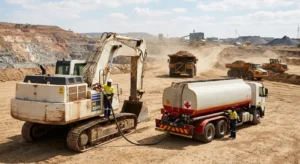
Not every operation is in a major city. Mining sites sit far from supply hubs. Agricultural estates operate in remote districts. Construction projects move to wherever the work is. A professional diesel delivery service accounts for this geography it doesn’t just serve easy-to-reach locations and leave the rest to figure things out.
What a Real Delivery Capability Looks Like
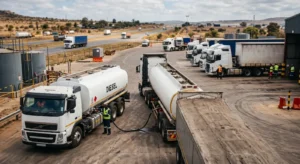
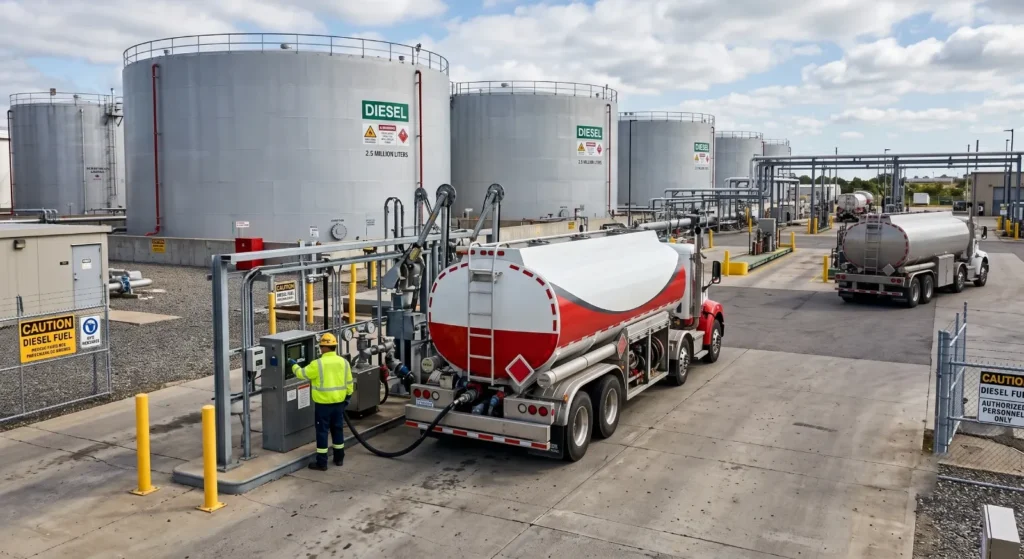
A certified tanker fleet isn’t just trucks. It’s route optimisation software, compliance with transport regulations, driver training for hazardous materials handling, and real-time delivery tracking that lets your team know exactly when fuel is coming.
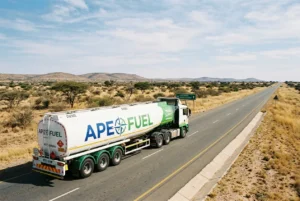
Fuel logistics and transportation at a professional level means countrywide coverage of urban depots and remote sites alike. In Botswana, where distances between major industrial zones can be substantial, and road conditions vary, the logistics capability of your supplier is at least as important as the price they charge.
An operation in a remote mining area that saves 5 thebe per litre but waits three days past their scheduled delivery has not made a smart trade.
Compliance and Regulatory Peace of Mind
Fuel supply in Botswana isn’t unregulated. The Botswana Energy Regulatory Authority (BERA) oversees fuel distribution, pricing, and standards. DEA (Department of Environmental Affairs) compliance governs storage and handling. Import licences are required for international procurement.
Working with a distributor who ticks all these boxes isn’t just about avoiding fines. It’s about documentation that protects your business, particularly for government contractors, mining operations, and any entity that faces audits or compliance reviews.
What Regulatory Compliance Looks Like in Practice
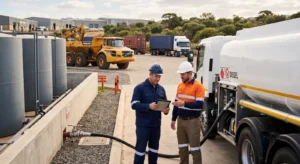
A BERA-registered, ISO-aligned supplier provides more than fuel. Every delivery comes with quality documentation, every batch is traceable, and the supplier’s operating status is verifiable through official channels. When a government contract requires you to demonstrate supply chain compliance, you can point to your supplier with confidence.
Scalability Without the Headache of Changing Suppliers
Early-stage businesses and growing operations face a specific fuel supply problem: they start small, and the suppliers willing to work with small volumes often can’t keep up when growth kicks in.
Professional diesel suppliers are built to grow with you. Whether you’re ordering 200 litres for a single site or planning a 500,000-litre monthly contract for a large mining operation, the best suppliers handle both and everything in between without you having to find a new partner every time your requirements change.
The Real Cost of Switching Suppliers
Changing fuel suppliers mid-growth sounds simple, but rarely is. New account setup, revised delivery schedules, re-negotiated terms, re-verified compliance documentation, it all takes time your operations team probably doesn’t have. Finding a bulk diesel supplier who can scale from day one saves that disruption entirely.
The smarter approach is to choose a professional diesel supplier based not on where you are today, but on where your operation is heading.
Industry-Specific Knowledge That Actually Helps You
There’s a difference between a supplier who sells diesel and one who understands how diesel is used in your specific context. Mining equipment has different fuel consumption profiles than agricultural machinery. Construction site logistics differ from fleet management. A government project has compliance requirements that a private firm might not.
Professional diesel fuel suppliers who serve multiple industries develop genuine insight into these differences. They know when certain equipment types need fuel delivered at specific intervals. They understand site access constraints. They can recommend storage solutions appropriate for your operation. They’re not reading from a product sheet; they’re drawing on experience with similar clients.
Industrial fuel solutions from a specialist distributor reflect this kind of knowledge, tailored supply programmes rather than one-size-fits-all arrangements.
This is also what differentiates a transactional supplier relationship from a strategic partnership. When your fuel supplier understands your business, they anticipate your needs rather than just responding to your orders.
Frequently Asked Questions About Working with Professional Diesel Suppliers
What makes a diesel supplier “professional” compared to a regular one?
Regulatory compliance, documented fuel quality, reliable logistics infrastructure, and industry-specific experience distinguish professional diesel suppliers.
How much cheaper is wholesale diesel compared to pump prices?
In Botswana, registered wholesale distributors typically supply below BERA pump pricing, with additional savings for bulk contracts.
What is a fuel supply contract, and is it worth it?
A long-term agreement locking in pricing and delivery schedules is highly recommended for operations with consistent monthly fuel needs.
How do I verify a diesel supplier’s credentials in Botswana?
Check for BERA registration, ISO alignment, and import licences. Reputable suppliers provide these documents on request.
What is Diesel 50PPM, and should I be using it?
It’s ultra-low-sulphur diesel. Most modern industrial and commercial equipment requires it for performance and warranty compliance.
Can professional diesel suppliers deliver to remote sites in Botswana?
Yes, established distributors with certified tanker fleets offer countrywide delivery, including remote mining and agricultural locations.
What documentation should come with a professional fuel delivery?
Expect quality certificates, delivery notes, and batch traceability documentation from any reputable diesel fuel supplier.
What’s the minimum order size for bulk diesel delivery services?
This varies, but professional suppliers typically start from 200 litres, scaling to multi-million-litre contracts.
How do professional diesel delivery services handle supply disruptions?
Through multi-source procurement and buffer stock, a disruption in one supply channel doesn’t affect your delivery.
Is it risky to lock into a long-term fuel supply contract?
With a reputable supplier offering price stability and delivery guarantees, a contract reduces risk rather than increasing it.
Making the Right Fuel Decision Before It Costs You
Most businesses only start thinking seriously about their fuel supplier after something goes wrong: a late delivery, a quality issue, or a pricing dispute that couldn’t be resolved quickly. By then, operations had already taken a hit.
The businesses that avoid these problems are the ones that treat fuel supply as a strategic decision, not an afterthought. They partner with professional diesel suppliers who are compliant, scalable, and genuinely experienced in their sector. They lock in pricing before market volatility bites. They build a supply relationship that works not just when conditions are easy, but when things get complicated.
In Botswana, Apex Fuels One is built around exactly this kind of supply partnership: BERA-registered, ISO-aligned, offering Diesel 50PPM with countrywide delivery and flexible contract options from 200 litres upward. If you want reliable, fairly priced diesel delivered when and where you need it, reach out and get a quote within 24 hours.