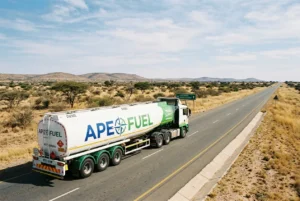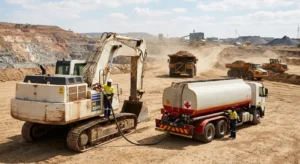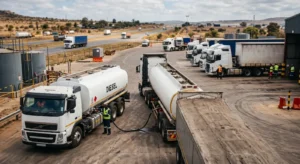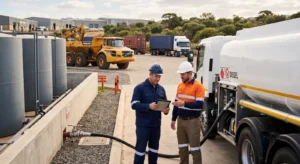

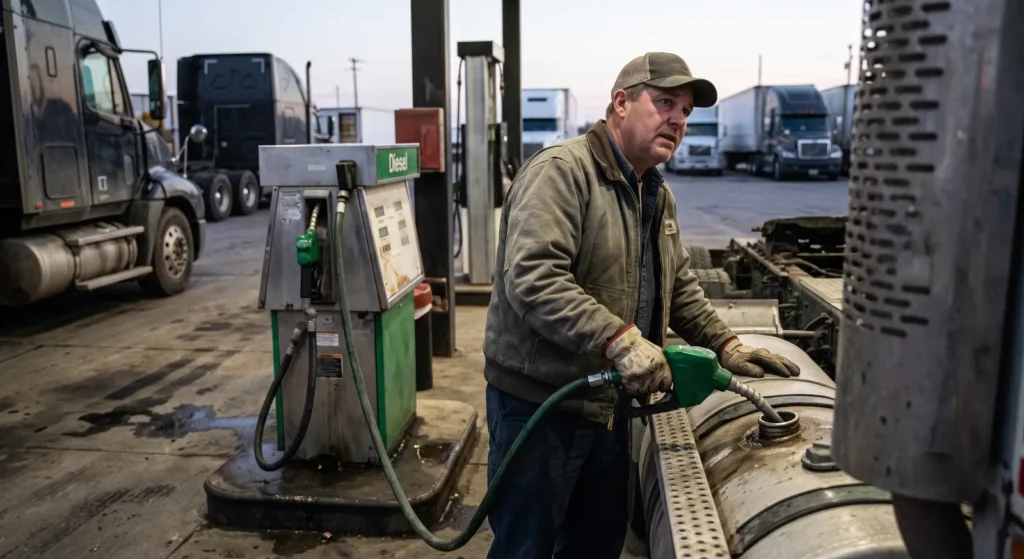
Every business that runs on diesel, from a construction site in Gaborone to a farm outside Francistown, depends on fuel arriving when it’s supposed to. One missed delivery can stop machinery, delay a project, and turn a routine week into an expensive one.
Here’s what many businesses overlook: they’ve learned to work around the problem instead of fixing it. A late delivery here, a questionable batch of fuel there over time, these become “normal,” and operations managers quietly build buffer time and backup plans around a supplier that should be doing the work for them.
But recurring issues are rarely bad luck. They’re usually signs of a bad diesel supplier and a signal that it’s time to look elsewhere. This article walks through five warning signs worth taking seriously, what they cost a business over time, and what to look for in a supplier that actually earns your trust.
If you’re wondering when to switch diesel suppliers for business relationships that no longer feel dependable, these are the patterns to watch for.
Why Choosing the Right Diesel Supplier Matters
Fuel supply isn’t just a line item on an invoice; it’s connected to nearly every part of how a business runs. Business continuity depends on diesel showing up on schedule, whether that’s for a mine site running around the clock or a transport fleet with tight delivery windows. Equipment reliability depends on fuel quality, since dirty or contaminated diesel wears down engines faster than normal use ever would.
Operational efficiency, budget control, and customer satisfaction are all tied to the same thread. A construction company that misses a deadline because generators ran dry doesn’t just lose a day; it risks the client relationship behind that project. A logistics company with a truck stuck waiting on fuel doesn’t just lose fuel costs; it loses the delivery window a customer was counting on.
This matters across Botswana’s mining, construction, agriculture, logistics, manufacturing, and transport sectors, where fuel isn’t a convenience but an operational requirement. So how do you know when a supplier has stopped being an asset and started being a liability? These five signs are usually the first indicators.
Sign 1 – Deliveries Are Frequently Late
Imagine this: a delivery truck is due at 8 a.m. so a construction crew can start pouring concrete before the heat sets in. By 11 a.m., the truck still hasn’t arrived, the crew is standing around, and the pour gets pushed to the next day.
This is what delayed deliveries actually cost, not just the fuel itself, but the hours of idle labor and equipment while everyone waits. Missed project deadlines follow close behind, especially on sites where weather, contracts, or client schedules leave little room for delay. Some businesses respond by making emergency fuel purchases at a premium just to keep moving, which quietly erodes any savings the original supplier’s pricing offered.
Reliable suppliers operate on predictable delivery schedules and communicate proactively if something changes. If late deliveries have become a pattern rather than an occasional exception, that’s rarely a one-off issue; it’s a sign of how the supplier is run.
Sign 2 – Fuel Quality Is Inconsistent
Here’s what many businesses overlook until it’s already expensive: fuel quality problems don’t always announce themselves immediately. Dirty diesel or water contamination can sit in a tank for weeks before it shows up as a clogged filter, a stalled engine, or a costly repair bill.
Fuel contamination leads directly to engine damage over time, and the maintenance costs that follow tend to climb quickly once a fleet or equipment set is exposed to poor-quality fuel repeatedly. Reduced equipment life is the longer-term consequence: machinery that should last years starts needing major repairs far earlier than expected. Unexpected breakdowns, often at the worst possible moment, are usually the final warning sign that something in the fuel supply chain isn’t being managed properly.
Fuel quality should never be a variable a business has to worry about. A reliable diesel supplier tests fuel consistently and can explain exactly how they maintain quality from storage through to delivery.
Sign 3 – Poor Communication and Customer Support
This often starts small but quickly becomes costly. A call goes unanswered. A delivery update never comes. An account manager who used to respond quickly is suddenly hard to reach.
Poor communication shows up in familiar ways: calls that go ignored, delayed responses to urgent requests, no proactive updates when a delivery is running behind, and no dedicated point of contact to escalate issues to. When problems do arise, resolution is slow or inconsistent, leaving the business to absorb the disruption.
Communication isn’t a soft factor; it directly impacts business planning. A supplier that tells you about a delay before it happens gives you time to adjust. A supplier that goes silent leaves you finding out the hard way, usually when equipment has already run dry.
Sign 4 – Prices Keep Changing Without Explanation
Budgeting for fuel becomes nearly impossible when pricing isn’t consistent or clearly explained. Hidden charges that appear on invoices without warning, unexpected price increases with no context, and a lack of written quotations all point to a supplier that isn’t operating transparently.
This often starts small an unexplained surcharge here, a “market adjustment” there but it compounds. Without clear quotations upfront, operations and finance teams are left reacting to invoices instead of planning around predictable costs.
Transparent pricing builds trust for a reason: it means a business can actually forecast fuel spend as part of its budget, rather than treating it as an unpredictable expense. If pricing conversations feel vague or inconsistent, that’s usually a sign of how the rest of the relationship will go too.
Sign 5 – Your Supplier Can’t Grow with Your Business
A supplier that worked well for a smaller operation doesn’t always scale with growth. As fuel demand increases, or a business expands into new locations, the gaps start to show.
Emergency deliveries become harder to arrange. Fleet growth outpaces the supplier’s delivery capacity. Larger storage requirements go unmet because the supplier was never set up to handle bulk volumes in the first place. A good fuel supply partner should be able to scale alongside a business, not become a bottleneck the moment operations expand.
If a supplier that once felt adequate now feels like it’s holding growth back, that’s a clear sign the relationship has outgrown its usefulness.
Pro Tip: Before assuming a supplier simply needs “reminding” to improve, track the pattern over a full month: delivery times, fuel quality issues, and response times. A single bad week can happen to any supplier. A month of recurring problems is a business risk.
The Hidden Cost of Staying with a Bad Diesel Supplier
The costs of a poor fuel supplier rarely show up as a single obvious expense. They build up quietly: lost productivity from idle equipment, project delays that push back client deadlines, and higher maintenance costs from fuel-related engine wear. Add in customer dissatisfaction when delays cascade into missed commitments, lost revenue from downtime, and the premium cost of emergency fuel purchases, and the “cheaper” supplier often ends up being the more expensive choice.
| Staying with a Poor Supplier | Switching to a Reliable Supplier |
| Frequent delays | On-time deliveries |
| Unpredictable pricing | Transparent pricing |
| Equipment risks | High-quality fuel |
| Reactive support | Proactive service |
| Business interruptions | Reliable operations |
Common Mistake: Many businesses delay switching suppliers because the process feels disruptive, assuming the transition itself will cause more downtime than staying put. In practice, a well-planned switch to a reliable diesel supplier is far less costly than the ongoing losses from staying with an unreliable one.
How to Choose a Better Diesel Supplier
When evaluating a new commercial diesel supplier, use this checklist as a starting point:
- Proven industry experience across relevant sectors
- Reliable logistics network with broad coverage
- Consistent, tested fuel quality
- Bulk delivery capability for larger volumes
- Transparent, written pricing
- Emergency support when plans change
- Excellent, responsive customer service
- Safety compliance across handling and delivery
- Strong local presence and market knowledge
- Positive reputation among existing commercial clients
A supplier that meets most of these criteria is far less likely to become the source of the same problems you’re trying to leave behind.
Why Businesses Across Botswana Trust Apex Fuels One
Businesses switching away from unreliable suppliers are usually looking for the same thing: consistency they can plan around. Apex Fuels One works to provide that through reliable diesel supply, dependable bulk fuel delivery, and commercial fuel solutions built around how different industries actually operate, from mining and construction to agriculture and transport.
That includes professional customer support that responds when it matters, competitive and transparent pricing, and a logistics network built for timely deliveries across the country. For businesses that have outgrown a supplier who can no longer keep pace, Apex Fuels One’s commercial fuel solutions and bulk diesel fuel supply services are designed to scale with long-term growth rather than lag behind it.
Frequently Asked Questions
What are the signs of a bad diesel supplier?
Frequent late deliveries, inconsistent fuel quality, poor communication, unexplained pricing changes, and an inability to scale with your business.
When should I switch my diesel supplier?
Switch when problems become a recurring pattern rather than an occasional issue, especially with delivery delays or fuel quality.
How does poor fuel quality affect equipment?
Contaminated diesel damages engines, increases maintenance costs, shortens equipment lifespan, and can cause unexpected breakdowns.
Can changing suppliers reduce operating costs?
Yes, reliable delivery and quality fuel reduce downtime, emergency purchases, and maintenance expenses tied to poor fuel.
What should I ask before hiring a fuel supplier?
Ask about fuel testing, delivery guarantees, emergency support, pricing transparency, and experience serving your industry.
How important is delivery reliability?
Very important; late deliveries cause downtime, missed deadlines, and forced emergency fuel purchases at higher costs.
What industries benefit from bulk diesel supply?
Mining, construction, agriculture, manufacturing, transport, and logistics all benefit from consistent bulk diesel supply.
How do I compare diesel suppliers?
Compare fuel quality, delivery reliability, pricing transparency, customer support, and scalability across your shortlisted suppliers.
Why choose a local diesel supplier in Botswana?
Local suppliers understand regional logistics, industry needs, and delivery challenges better than distant or generic providers.
Why choose Apex Fuels One?
Apex Fuels One offers reliable bulk fuel delivery, tested quality, and responsive service tailored to Botswana’s industries.
Conclusion
Reliable diesel supply directly affects productivity and profitability, whether you run a mine, a farm, a construction site, or a transport fleet. Ignoring the warning signs late deliveries, inconsistent fuel, poor communication, unclear pricing, or a supplier that can’t keep up with your growth rarely makes them go away. It usually just makes them more expensive over time.
Switching to a dependable supplier protects your equipment, reduces downtime, and gives your business room to grow without worrying about fuel supply holding it back. If any of these signs sound familiar, contact Apex Fuels One to talk through a dependable commercial fuel solution built around your operation.