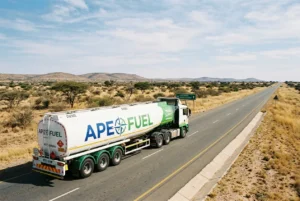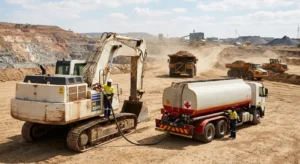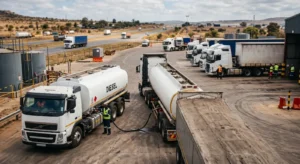

Diesel keeps Botswana’s economy moving. It powers haul trucks on mine sites, tractors in the fields, generators on construction projects, and the fleets that move goods across the country. When that supply is interrupted, everything downstream feels it equipment sits idle, deadlines slip, and costs climb.
This is why choosing a diesel supplier partner is one of the more consequential operational decisions a business can make. A missed delivery or a contaminated batch of fuel doesn’t just cost money in the moment; it can damage engines, disrupt production schedules, and strain client relationships. And yet many businesses still choose a supplier based on price alone, without looking closely at reliability, fuel quality, or service standards.
A dependable diesel supplier is more than a vendor sending fuel on request. It’s a long-term partner in keeping operations running smoothly. That means consistent availability, tested fuel quality, transparent pricing, and a logistics network that can respond when plans change or emergencies arise.
This guide walks through what businesses should actually expect from a reliable diesel supplier, the qualities that separate dependable partners from the rest, and the questions worth asking before signing a supply agreement with practical context from Botswana’s mining, agriculture, transport, and construction sectors.
Why Choosing the Right Diesel Supplier Matters
For fuel-dependent industries, the choice of supplier affects far more than the price per litre. It shapes how predictably a business can plan its operations.
Business continuity depends on fuel being where it’s needed, when it’s needed. A mine in Botswana running a 24-hour shift pattern can’t afford a delivery delay that idles haul trucks for even a few hours the cost of lost production quickly outweighs any savings on fuel price.
Reduced downtime is one of the clearest benefits of working with a dependable fuel supply partner. Construction sites often work against tight project timelines, and a generator or excavator without fuel becomes a stalled project. Agricultural operations face a similar challenge during planting and harvest seasons, when tractors and irrigation pumps need to run without interruption.
Predictable supply also supports better operational planning. When a business trusts its diesel deliveries to arrive on schedule, it can plan shifts, allocate equipment, and commit to client deadlines with more confidence. Reliable fuel quality protects engines and machinery from the long-term wear that comes with contaminated or substandard diesel, which in turn supports long-term cost savings across a fleet or equipment lifecycle.
In short, the right supplier reduces risk. The wrong one quietly adds cost and uncertainty to every part of the operation it touches.
What Makes a Reliable Diesel Supplier?
Reliability isn’t a single feature it’s a combination of factors that show up consistently over time.
- Consistent fuel availability – A dependable supplier maintains the stock and supply relationships needed to fulfil orders even during regional shortages or high-demand periods.
- Reliable delivery schedules – Deliveries arrive within the agreed window, whether that’s a scheduled weekly drop or an urgent same-day request.
- High-quality diesel – Fuel is tested and free of contamination, protecting engines and reducing maintenance costs.
- Transparent pricing – Costs are clearly explained, with no hidden charges buried in invoices.
- Professional customer support – Someone is reachable to answer questions, adjust orders, or handle urgent requests.
- Strong logistics network – A modern delivery fleet with the coverage to reach mine sites, farms, and industrial facilities across the country.
- Industry experience – An understanding of how different sectors use fuel and what their operational pressures look like.
- Regulatory compliance – Adherence to fuel handling, storage, and safety standards.
These qualities work together. A supplier with good pricing but poor delivery reliability still creates risk for the business relying on them which is why it’s worth evaluating a supplier on the full picture, not one factor in isolation.
Qualities of a Good Diesel Supplier: A Quick Checklist
Use this checklist when evaluating a potential commercial diesel supplier:
- Properly licensed and regulated
- Fuel is quality-tested before and after delivery
- Operates a modern, well-maintained delivery fleet
- Offers emergency fuel supply when plans change
- Provides competitive, transparent pricing
- Offers flexible delivery schedules
- Delivers excellent, responsive customer service
- Follows strict safety compliance standards
- Has a strong reputation with existing commercial clients
- Understands the local market and its industries
A supplier that checks most of these boxes is likely to be a stable, low-risk partner for the long term.
Pro Tip: Before signing a supply agreement, ask the supplier for references from businesses in your specific industry. A supplier that serves mining operations well may not have the same experience supporting agricultural clients, and the operational demands differ significantly between the two.
Fuel Quality Should Never Be Compromised
Fuel quality is often the least visible factor in a supply relationship until it causes a problem. Clean, properly refined diesel protects fuel injectors, filters, and engine components from premature wear. Poor-quality or contaminated fuel does the opposite: it increases maintenance costs, shortens equipment lifespan, and can cause unexpected breakdowns at the worst possible time.
Contamination risks include water ingress, sediment, and microbial growth in storage tanks issues that are more likely with suppliers who don’t test fuel regularly or maintain proper storage practices. A supplier that takes quality assurance seriously will test fuel at multiple points in the supply chain, not just at the point of origin.
For businesses running expensive machinery excavators, generators, haul trucks, tractors the cost of poor fuel quality compounds over time. It shows up as more frequent servicing, shorter component life, and, in serious cases, engine failure. Reliable fuel delivery starts with fuel that’s actually worth delivering.
Reliable Delivery and Supply Chain
Fuel quality only matters if it reaches the business on time. This is where logistics capability separates strong suppliers from the rest.
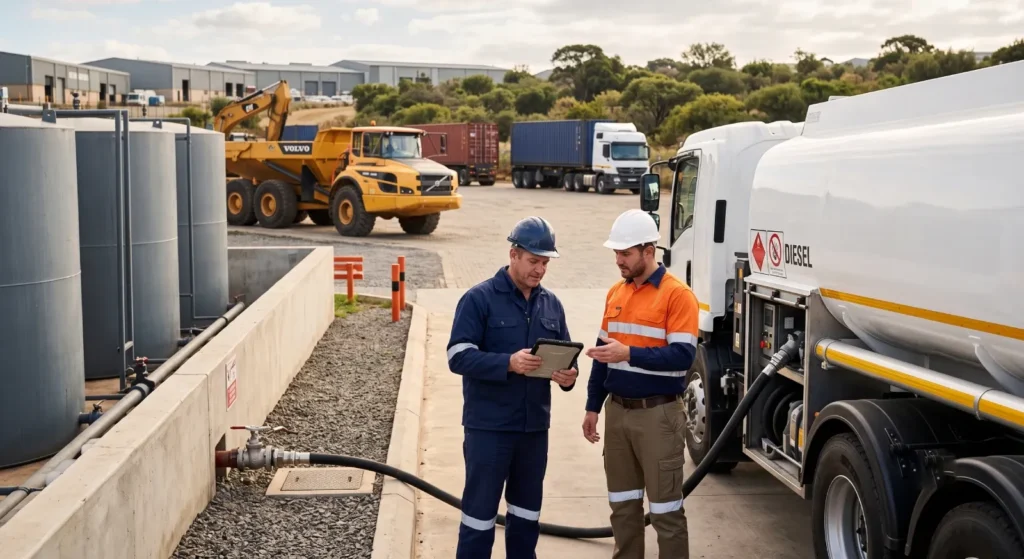
On-time deliveries keep operations running to plan, while the ability to offer emergency fuel delivery matters when unexpected demand spikes or a scheduled delivery falls through. Scheduled deliveries set up on a recurring basis help businesses avoid running low unexpectedly, and good bulk fuel logistics ensures large-volume orders are handled efficiently rather than as a strain on the supplier’s capacity.
Inventory planning works both ways: a good supplier helps clients forecast fuel needs based on usage patterns, while managing their own stock to avoid shortages. None of this works without fleet reliability delivery vehicles that are well-maintained and unlikely to break down mid-route.
For businesses operating in remote areas, such as mine sites or farms outside major towns, dependable logistics aren’t a bonus feature. They’re the difference between fuel arriving as planned and a costly gap in supply.
Bulk Diesel Supply for Businesses
Bulk diesel suppliers play a particularly important role for industries that consume large volumes of fuel on a regular basis, including:
- Mining
- Construction
- Agriculture
- Manufacturing
- Transport and logistics
- Government projects
- Industrial facilities
For these sectors, working with a supplier offering structured bulk diesel supply brings several advantages. Lower operating costs come from better pricing at volume and reduced administrative overhead from managing fewer, larger orders. Businesses also see fewer fuel shortages, since bulk arrangements are typically backed by more robust supply commitments. Better inventory management follows from predictable, scheduled deliveries, and improved productivity results when equipment and vehicles are never left waiting on fuel.
Questions to Ask Before Choosing a Diesel Supplier
Before committing to a long-term agreement, it’s worth putting these questions directly to any prospective supplier:
- Is the fuel quality tested, and can you show evidence of this?
- Can you guarantee consistent supply, even during regional shortages?
- Do you offer emergency deliveries outside of scheduled orders?
- Are your pricing terms transparent, with no hidden charges?
- What industries do you currently serve?
- Do you provide bulk delivery for large-volume clients?
- Do you have nationwide coverage, including remote sites?
- How quickly can you respond to an urgent delivery request?
A supplier confident in their service should be able to answer all of these clearly and without hesitation.
Red Flags to Watch Out For
Just as there are signs of a strong supplier, there are warning signs worth taking seriously:
- Frequent delivery delays or missed windows
- Poor or slow communication
- Inconsistent fuel quality between deliveries
- Hidden charges that appear on invoices unexpectedly
- Limited delivery capacity during high-demand periods
- No emergency support when plans change
- Lack of experience in your specific industry
Common Mistake: Many businesses switch suppliers purely to chase a lower price per litre, only to find that delivery delays or poor fuel quality end up costing far more in downtime and equipment repairs. Price matters, but it should be weighed against reliability, not evaluated on its own.
Comparison: Reliable Supplier vs. Unreliable Supplier
| Factor | Reliable Diesel Supplier | Unreliable Diesel Supplier |
| Fuel Quality | Regularly tested, contamination-free | Inconsistent, rarely tested |
| Delivery Schedule | On-time, predictable | Frequent delays |
| Emergency Support | Available when needed | Limited or unavailable |
| Pricing | Transparent, no hidden fees | Hidden charges common |
| Communication | Responsive, proactive | Slow, reactive |
| Industry Knowledge | Understands sector-specific needs | Generic, one-size-fits-all service |
| Fleet Coverage | Nationwide, remote-site capable | Limited geographic reach |
Why Businesses in Botswana Choose Apex Fuels One
Businesses across Botswana’s mining, construction, agriculture, and transport sectors need a diesel suppliers in Botswana they can plan around, not just call on when supply runs short. Apex Fuels One works to meet that need through reliable bulk diesel supply, consistent delivery schedules, and fuel that’s handled with proper quality and safety standards throughout the supply chain.
Rather than offering a generic service, Apex Fuels One focuses on understanding how different industries use fuel from the continuous demands of a mining operation to the seasonal spikes of agricultural clients and building supply arrangements around those realities. Combined with transparent pricing and responsive customer support, this approach has made Apex Fuels One a supplier that businesses return to for long-term fuel supply solutions, not just one-off orders.
If your business is evaluating bulk diesel delivery Botswana options, it’s worth exploring Apex Fuels One’s diesel supply and industrial fuel solutions to see how a structured supply partnership might fit your operation.
Frequently Asked Questions
What should I look for in a diesel supplier?
Look for tested fuel quality, on-time delivery, transparent pricing, emergency support, and proven experience in your industry.
How do I know if diesel fuel is high quality?
Ask suppliers for fuel testing records and check for contamination signs like sediment, cloudiness, or unusual odour.
Why choose a bulk diesel supplier?
Bulk suppliers offer better pricing, fewer shortages, and more predictable delivery for high-volume fuel users.
Do diesel suppliers provide emergency deliveries?
Reliable suppliers typically offer emergency delivery options for urgent, unplanned fuel needs outside scheduled orders.
Which industries require bulk diesel supply?
Mining, construction, agriculture, transport, manufacturing, and government projects all commonly rely on bulk diesel supply.
How often should businesses schedule deliveries?
This depends on usage rate and storage capacity, but many businesses schedule weekly or bi-weekly deliveries for consistency.
What affects diesel pricing?
Global oil prices, transport distance, order volume, and supplier logistics costs all influence diesel pricing.
Why is delivery reliability important?
Unreliable delivery causes downtime, stalled equipment, and missed deadlines, directly affecting business productivity and costs.
How do I choose the best diesel supplier in Botswana?
Compare fuel quality, delivery reliability, pricing transparency, and industry experience before committing to a supplier.
Why choose Apex Fuels One?
Apex Fuels One offers reliable bulk diesel supply, tested fuel quality, and responsive service tailored to Botswana’s industries.
Conclusion
A reliable diesel supplier is best thought of as a strategic partner, not a one-off vendor. Fuel quality, dependable delivery, and responsive service all directly shape how smoothly a business runs day to day and how much risk it carries when things don’t go to plan.
Choosing the right partner reduces operational uncertainty, protects equipment, and supports steady, long-term growth. If your business is ready for a diesel supplier partner that treats reliability as a standard rather than a bonus, contact Apex Fuels One to discuss a dependable bulk diesel supply solution built around your operation.